

A sudden rush of fear can feel overwhelming. A racing heartbeat, shortness of breath, dizziness, and a feeling that something terrible is about to happen can leave a person feeling helpless. Many people experience these moments and wonder, “Why is this happening to me?” The good news is that panic attacks can be managed with the right support, knowledge, and care.
Understanding the causes and available panic attack treatments is the first step toward regaining confidence and emotional balance. With professional guidance, individuals can learn how to recognize triggers, manage symptoms, and build healthier ways to respond to stress.
What Is a Panic Attack?
A panic attack is a sudden episode of intense fear or discomfort that often appears without warning. It can happen during stressful situations, but it can also occur when a person feels completely calm. The experience may feel frightening because the body reacts as if there is immediate danger.
Common signs of a panic attack include:
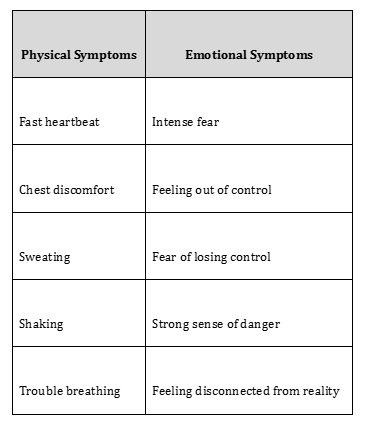
Although panic attacks feel dangerous, they are not usually life threatening. However, repeated panic attacks can affect daily activities, relationships, work, and overall quality of life. This is why seeking support is important.
Why Do Panic Attacks Happen?
Panic attacks can develop for many different reasons. Each person’s experience is unique. Some people may experience panic after a difficult life event, while others may have a combination of emotional, physical, and environmental factors.
Possible causes may include:
• High levels of ongoing stress
• Major life changes
• Past trauma or painful experiences
• Anxiety disorders
• Family history of anxiety
• Significant emotional pressure
• Certain health conditions
Sometimes, people cannot identify one clear reason for their panic attacks. A trained mental health professional can help explore possible causes and create a personalized approach for healing.
Different Approaches to Panic Attack Treatments
There is no single solution that works for everyone. Effective care often includes a combination of strategies based on a person’s needs, lifestyle, and personal goals.
Therapy and Counseling
Therapy is one of the most common approaches used to manage panic attacks. A therapist helps individuals understand their thoughts, emotions, and reactions. This awareness can make it easier to handle stressful situations.
Cognitive behavioral therapy is often used because it helps people recognize negative thought patterns and replace them with healthier responses. Over time, individuals can become more comfortable facing situations that once felt frightening.
Relaxation and Breathing Techniques
Learning how to calm the body during moments of fear can be very helpful. Slow breathing exercises, mindfulness practices, and grounding techniques can reduce the intensity of panic symptoms.
A person experiencing panic may focus on:
• Taking slow and steady breaths
• Paying attention to the present moment
• Relaxing tense muscles
• Reminding themselves that the feeling will pass
These skills may become stronger with regular practice.
Hypnotherapy and Emotional Healing
Some individuals explore hypnotherapy as part of their wellness journey. Hypnotherapy may help people access deeper thoughts, understand emotional patterns, and develop new ways of responding to stress.
Experienced professionals may use hypnosis techniques along with traditional therapy approaches to support emotional healing. This method is often personalized because every person has different experiences and needs.
Lifestyle Changes
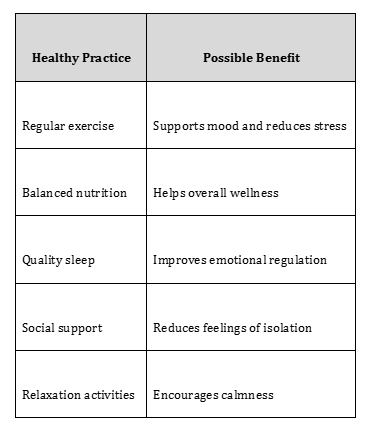
Daily habits can also influence emotional health. Small changes may create a positive impact over time.
Helpful habits may include:
When Should Someone Seek Professional Help?
Many people try to manage panic attacks alone because they feel embarrassed or believe they should simply overcome them. However, panic attacks are a real mental health concern and deserve proper attention.
Professional support may be helpful when:
• Panic attacks happen frequently
• Fear of another attack affects daily life
• A person avoids places or activities because of fear
• Stress becomes difficult to manage
• Emotional struggles begin affecting relationships
A caring therapist can provide guidance, encouragement, and practical tools for recovery.
How Professional Support Creates Long-Term Change
Healing from panic attacks is not only about stopping symptoms. It is also about understanding the deeper emotions and experiences behind them.
Many people discover that unresolved stress, grief, trauma, or major life transitions can influence emotional reactions. Working with a skilled professional can help individuals process these experiences and move forward with greater confidence.
A supportive therapy environment allows people to feel heard without judgment. It creates space for personal growth and helps individuals reconnect with their strengths.
Choosing the Right Support for Your Needs
Finding the right therapist or mental health provider is an important part of the healing process. People should look for professionals who offer compassion, experience, and treatment options that match their personal situation.
A strong therapeutic relationship can make a significant difference. Feeling comfortable with a provider allows individuals to openly discuss fears, challenges, and personal goals.
Final Remarks
Panic attacks can feel frightening, but they do not have to control a person’s life. With the right panic attack treatments, individuals can learn effective coping skills, understand their emotions, and build a healthier future. Recovery is possible with patience, professional guidance, and consistent support.
PKM Life Transitions LLC focuses on helping individuals overcome emotional challenges through personalized therapy services, life coaching, grief support, and specialized approaches such as hypnotherapy. With experienced clinicians serving children, teens, and adults, the organization provides compassionate care designed around each person’s unique journey. Their goal is to help clients move beyond obstacles, discover inner strength, and create a more peaceful and fulfilling life.
